
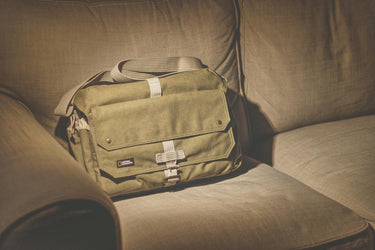
For many expectant mothers, packing their hospital bag is a special moment in pregnancy. Suddenly it becomes clear: the birth is approaching. Soon this tiny garment will truly be needed. Soon you might be on your way. Soon you'll hold your baby in your arms.
At the same time, packing the hospital bag can quickly become a source of uncertainty. What really needs to go in? What's superfluous? What does your baby need? What do you need for the birth? And what will help you after the birth, when everything is new, intense, and perhaps completely different from what you planned?
The good news: your hospital bag doesn't have to be perfect. It doesn't have to be huge either. It should support you, give you security, and make the most important things easily accessible.
In this article, you'll find a natural, practical, and deliberately streamlined guide for packing your hospital bag: for the birth, the first hours with your baby, your hospital stay, and the journey home.
When should you pack your hospital bag?
Many pregnant women pack their hospital bag between approximately 34 and 36 weeks of pregnancy. This is a good time frame because it's not too early to tie everything up, but also not so late that you feel pressured in the final days.
If an earlier birth is possible for you, if you're expecting twins, or if you're receiving closer medical care, it might be advisable to prepare the bag earlier. And if it simply brings you peace of mind, it's perfectly fine to have it ready sooner.
The perfect timing isn't what matters. What matters is that you feel relieved.
If you're currently organizing the last few weeks before birth, you'll find a suitable overview here: The Last Weeks Before Birth: What You Really Should Prepare.
How big should the hospital bag be?
You don't need to take half your home with you. A medium-sized travel bag or a small suitcase is usually sufficient. Additionally, a small separate bag for documents, snacks, and items needed during labor can be practical.
Many parents find it best to pack in three sections:
- a bag for labor
- a bag or compartment for the days after birth
- a small set for your baby and the journey home
This way, you won't have to search for long during labor or immediately afterwards. Everything that needs to be easily accessible should be on top or in a separate pouch.
The Most Important Documents for Your Hospital Bag
Documents are among the things you really shouldn't forget. It's best to pack them in a sturdy folder or envelope so they're quickly at hand.
Important documents may include:
- Maternity record (Mutterpass)
- Insurance card or health insurance proof
- ID card or passport
- Referral form, if applicable
- Birth plan, if you've written one
- Important medical records, if relevant
- Allergy pass or medication plan, if applicable
- Documents for birth registration, if not yet completed
Depending on the hospital, country, and personal situation, additional documents may be necessary. It's best to ask your birthing hospital what specific documents they require.
It's also worthwhile to sort documents early for the first appointments after birth. You can find more information here: Preparing for U2 and U3: What You Should Organize Before Birth.
Hospital Bag for Labor: What Can Help You During Birth
For the birth itself, you mainly need things that support you physically and emotionally. It's not about bringing as much as possible. It's about having a few familiar, helpful items with you.
Useful for labor:
- comfortable, loose shirt or nightgown
- warm socks
- hair tie or headband
- lip balm
- water bottle
- small snacks, if allowed and appropriate
- cell phone and charger
- headphones or small speaker, if you want music
- massage oil or small cloth, if touch helps you
- glasses instead of contact lenses, if relevant
Many women end up needing fewer things during labor than expected. But the right little items can make a big difference: warm feet, moisturized lips, a familiar scent, calming music, or a piece of clothing that makes you feel comfortable.
Clothing for Labor
For labor, choose clothing that is comfortable, doesn't restrict you, and can be easily taken off or opened. Some women wear an old, long shirt. Others prefer a soft nightgown, a large shirt, or a labor top.
The important thing is: it should be practical. Birth is not a moment where clothes need to stay pristine. Choose something that feels good and that you won't mind if it gets stained.
Practical options might include:
- a loose shirt
- a button-front nightgown
- a comfortable top
- a light robe or cardigan for walking around
- warm socks
If you plan to breastfeed, a top with an easy opening can be comfortable after birth. For skin-to-skin contact, it's helpful if your upper body can be easily uncovered.
Snacks and Drinks for the Hospital Bag
Birth and the time afterwards require strength. Whether and what you want to eat during labor is individual and also depends on hospital rules and the course of labor. Nevertheless, it's wise to pack small snacks.
Suitable snacks may include:
- granola bars
- nuts or trail mix
- dried fruit
- dextrose tablets
- crackers
- small squeeze pouches
- your favorite snack for after birth
Snacks are also important for your birth partner. Labor can last a long time, and something might not always be immediately available.
A large water bottle is also practical. Some women prefer water, others tea or a light beverage. In special medical situations, discuss with your midwife or doctor what is appropriate for you.
Hospital Bag for After Birth
After birth, you'll need things that keep you soft, warm, and comfortable during the first hours and days. Your body has worked hard. Anything that pinches, scratches, or is complicated should stay at home.
For you after birth:
- 2 to 3 comfortable nightgowns, nursing shirts, or loose tops
- comfortable pants or leggings with a soft waistband
- warm cardigan or jacket
- soft underwear
- nursing bra or comfortable bralette, if you plan to breastfeed
- nursing pads if needed
- slippers or non-slip socks
- robe or large scarf, if you feel comfortable with it
- change of clothes for the journey home
Choose clothes one size larger rather than too small. Immediately after birth, your body needs space. Your belly won't disappear instantly, your pelvic floor needs relief, and everything should fit softly.
If you want to prepare for your postpartum period in general, you'll find more in-depth information here: Preparing for Postpartum: What You Can Organize Before Birth.
Toiletries for the Hospital Bag
For toiletries, the rule is: bring what you're familiar with, but keep it simple. Strong scents can bother you or your baby. Especially after birth, less is often more pleasant.
Useful toiletries:
- toothbrush and toothpaste
- mild shower gel or soap
- shampoo, if you wish to use it
- unscented deodorant
- face cream or moisturizing oil
- lip balm
- hairbrush and hair ties
- glasses or contact lens supplies
- small towel, if desired
- possibly your own postpartum pads for the journey home
Many hospitals provide certain items like pads or liners. Nevertheless, it can be reassuring to have some of your own for the journey home or for personal preferences.
What Does Your Baby Need in the Hospital Bag?
In many hospitals, baby clothes are provided for the stay. However, some parents still prefer to use their own clothing, while others only pack the outfit for the journey home. It's best to ask your hospital beforehand how they handle this.
You usually don't need much for your baby. More important than many outfits are soft, well-fitting, and temperature-appropriate items.
Baby clothes for hospital and journey home:
- 1 to 2 bodysuits in size 50/56 or 56
- 1 soft pair of pants or a comfortable one-piece outfit
- 1 jacket or warming layer
- 1 hat
- 1 pair of socks
- burp cloth or soft cloth
- light blanket or wool blanket
- depending on the season, an overall or warm outer layer
Natural materials like wool, wool/Tencel, or high-quality cotton can be pleasant for the start. They feel soft, provide good warmth, and gently accompany your baby through their first hours out in the world.
If you're still unsure what clothing your baby generally needs, you'll find guidance here: What Clothes Does a Newborn Really Need?.
You can find more about materials here: Natural Baby Clothing: Wool, Wool/Tencel, and Cotton Compared.
Your Baby's First Outfit
Many parents choose their baby's first outfit with particular care. This is understandable. It's an emotional moment. At the same time, the first outfit should above all be comfortable.
Make sure nothing pinches, scratches, or is too tight. The umbilical area should not be unnecessarily irritated. Soft cuffs, simple openings, and natural materials are more important than a particularly elaborate look.
A simple first outfit can consist of:
- a soft bodysuit
- comfortable pants
- socks
- a hat
- a warming layer depending on the temperature
- a blanket for the journey home
A baby doesn't need shoes, stiff pants, or clothes that only look good for a photo at the beginning. They need warmth, closeness, and fabrics that feel good.
If you're unsure about the size, you'll find guidance here: Which Baby Size for Birth: 50, 56, or 62?.
Hospital Bag for the Journey Home
The journey home is often a special moment. You leave the clinic as a family. Everything might still feel a bit surreal. To make this moment calmer, the journey home essentials should be clearly prepared.
Important for the journey home:
- baby clothes suitable for the season
- baby blanket or warming layer
- car seat or safe transport solution
- comfortable clothing for yourself
- jacket, shoes, and everything else you need for outside
- a few diapers, elimination communication diapers, or pads for on the go
- soft cloth or burp cloth
If you're traveling by car, the infant car seat should be ready and correctly installed in good time. It's best to test how it works beforehand so you're not fumbling with it for the first time after birth.
You can find more about safe and appropriate dressing for the journey home here: Dressing Baby in the Car: Safe and Warm in the Infant Car Seat.
Hospital Bag for the Partner or Birth Companion
The birth companion should also have a few things with them. Labor can last many hours. Anyone supporting you needs their own energy, warm clothes, and small practical helpers.
Useful for the birth companion:
- comfortable clothing
- change of shirt
- snacks and drinks
- cell phone and charger
- cash or card
- toothbrush, in case labor is long
- list of important phone numbers
- something to put on for cool rooms or night hours
It's also important to discuss beforehand what kind of support you desire. Should the companion ensure quiet? Communicate with the hospital team? Remind you to drink? Keep visitors away? Such agreements can provide a lot of security.
You can find more about the role of the birth companion after birth here: Partner in the Postpartum Period: What Really Helps After Birth.
Hospital Bag and Birth Plan
If you have written a birth plan, you can put it in your document folder. A birth plan doesn't have to be a rigid document. It can simply outline what is important to you: atmosphere, companionship, pain relief, communication, skin-to-skin contact, initiation of breastfeeding, or how to handle special situations.
Formulate it as clearly and concisely as possible. During labor, no one has time for many pages. A clear one-page summary with the most important points is often more helpful than a long text.
And at the same time: birth remains dynamic. A birth plan can provide guidance, but it should remain flexible.
Hospital Bag for C-section or Planned Birth
If a C-section is planned, a few extra items can be helpful. Be sure to discuss this with your hospital or midwife, as procedures can vary.
Practical items after a C-section may include:
- very soft, high-waisted underwear that doesn't rest on the incision
- loose pants with a high waistband
- tops that open easily for breastfeeding or cuddling
- a small pillow for the journey home, in case pressure from the seatbelt is uncomfortable
- shoes that you can easily slip into
- help for carrying the bag
Even with a planned birth, the hospital bag can be lovingly prepared. It's not just practical, but can also give you the feeling: I'm taken care of. I can settle in.
You can find more information here: Postpartum after C-section: What Really Helps You.
What You Don't Necessarily Need to Pack in Your Hospital Bag
Many lists are very long. Some things might be practical, others just take up space. Consider what you really need and what you can have brought to you if necessary.
Often not necessary are:
- too many baby outfits
- large quantities of diapers, if the hospital provides them
- many baby care products
- elaborate clothing for yourself
- several books
- too many electronic devices
- a large cosmetic bag
- baby toys
In the hospital, your baby mainly needs you, nourishment, warmth, sleep, and closeness. A small, well-packed bag is often more pleasant than a suitcase full of possibilities.
Packing Your Hospital Bag Naturally and Sustainably
Packing sustainably doesn't mean everything has to be perfectly ecological. It rather means: choosing consciously, using reusable items, preferring natural materials, and not bringing unnecessarily much.
Sustainable ideas for your hospital bag:
- your own water bottle instead of disposable ones
- washable bags for organization
- soft washcloths instead of many disposable wipes
- baby clothes made from natural materials
- a few high-quality items instead of many outfits
- snacks in small containers or paper packaging
- toiletries in small reusable containers
Again, no pressure. The hospital, birth, and postpartum period are not the place for perfectionist demands. Every conscious decision counts, but you don't have to get everything perfectly right.
If you generally want to start your baby journey more sustainably, you'll find more in-depth information here: Sustainable First Baby Equipment: Buy Less, Choose Better.
Diapering, Elimination Communication, and the First Excretions
In the hospital, diapering is initially about settling in, observing, and caring. Many parents see for the first time in the initial days what a baby's excretions really look like and how often a newborn is changed.
If you want to try elimination communication or "Windelfrei," you can approach it very gently. You don't have to achieve anything. The first few hours and days are primarily for getting to know each other.
Some families practice elimination communication briefly during diaper changes or observe initial signals. Others only start at home. Both are fine.
For later, clothes with simple openings, absorbent inserts, elimination communication diapers, and a flexible changing mat can be helpful.
You can find a gentle introduction here: What does "Windelfrei" from birth actually mean?.
If you want to know more specifically what you need, read on here: Elimination Communication Starter Kit: What you really need.
You can find suitable products in the elimination communication diapers, diaper inserts, elimination communication pants sections and for the changing mat for on the go.
From Hospital Bag to Diaper Bag
The hospital bag is only for this one transition: birth, hospital, journey home. After that, the question changes. Then it's no longer about what you need for birth, but what truly helps you in daily life with a baby on the go.
For the first walks, appointments, and visits, a few well-sorted items are usually sufficient: a change of clothes, a changing mat, wipes, inserts or diapers, and something to keep your baby warm.
You can find more about this here: Packing a Diaper Bag: What you really need on the go.
The First Hours and Days After Birth
The hospital bag is practical. But it's only one part of the preparation. Even more important is the idea that the first few hours and days don't have to be perfectly organized.
You are allowed to arrive slowly. You are allowed to observe your baby. You are allowed to accept help. And you may notice that some things you packed become unimportant, while other small details suddenly become very valuable.
You can find more about this here: The First 24 Hours with Baby: What's Really Important and here: The First Days at Home with Baby.
A Simple Hospital Bag Checklist
Documents
- Maternity record
- Health insurance card
- ID card
- Referral form, if applicable
- Birth plan, if applicable
- Important medical documents
For Birth
- Comfortable shirt or nightgown
- Warm socks
- Hair tie
- Lip balm
- Water bottle
- Snacks
- Phone and charger
- Music or headphones, if desired
For the Mother After Birth
- Comfortable clothing
- Loose pants or leggings
- Nursing shirt or easily opened top
- Nursing bra or bralette
- Soft underwear
- Slippers or non-slip socks
- Toiletries
- Clothes for the journey home
For the Baby
- 1 to 2 bodysuits
- 1 pair of pants or one-piece
- 1 jacket or warming layer
- Hat
- Socks
- Burp cloth
- Baby blanket
- Overall or outer layer depending on the season
For Diapering and Elimination Communication
- A few diapers, elimination communication diapers, or inserts for the journey home
- Soft cloths or washcloths
- Small wet bag or pouch
- Flexible changing mat, if you want to take it with you
For the Accompanying Person
- Snacks and drinks
- Change of shirt
- Charger
- Comfortable clothing
- Toothbrush, if necessary
- Cash or card
Frequent Questions About the Hospital Bag
When should the hospital bag be ready?
Many pregnant women pack their hospital bag between the 34th and 36th week of pregnancy. If an earlier birth is possible or you feel safer that way, you can also prepare it earlier.
How many baby outfits do I need for the hospital?
One to two personal outfits are often sufficient, especially if the hospital provides clothing. Most important is a suitable outfit for the journey home. It's best to ask beforehand what your hospital provides.
Do I need diapers in the hospital bag?
Many hospitals provide diapers for the stay. For the journey home, it can still be sensible to have a few diapers, elimination communication diapers, or inserts with you.
What should I wear for birth?
Choose a comfortable, loose shirt, nightgown, or top that doesn't restrict you and can be easily opened or removed. It should be something where stains don't bother you.
What can be left out of the hospital bag?
Anything that isn't urgent and can be brought later. Too many outfits, large toiletry bags, lots of baby toys, or large quantities of care products are usually not necessary.
Can I pack a sustainable hospital bag?
Yes. You can choose natural materials, use washable bags, bring your own water bottle, pack a few high-quality baby clothes, and avoid unnecessary disposable products, as long as it suits you and the hospital situation.
Can I try elimination communication in the hospital?
Yes, if it feels right for you. But you don't have to achieve anything. Some families briefly practice elimination communication during diaper changes or observe initial signals. Others only start at home. Both are completely fine.
A Calm Thought to Conclude
The hospital bag is not a test of whether you are well-prepared. It is a support. A small piece of order before a big transition.
Perhaps you won't need some things at all. Perhaps something is missing and will be brought later. Perhaps the birth will be completely different from what you imagined. That doesn't mean you were poorly prepared.
You are not preparing every single detail. You are preparing a framework. For you. For your baby. For the first hours of your life together.
Pack your bag in a way that gives you peace. Not in a way that fulfills every expectation.
If you want to combine natural materials, practical clothing, and an undogmatic start with diapering, elimination communication, and closeness, Mata Origin offers thoughtful companions for precisely this initial period.
Discover suitable products for birth, postpartum, and on the go: elimination communication diapers, diaper inserts, elimination communication pants, and the changing mat for on the go.
Note: This article does not replace medical advice. It is intended to provide guidance and support you in your preparation. Please clarify individual questions about birth, hospital procedures, medication, nutrition during birth, or special health situations with your midwife, doctor, or maternity hospital.